
Introduction: Why Learning Should Feel Positive for Children
Learning is one of the most important parts of childhood development. Through learning, children build communication skills, emotional intelligence, curiosity, confidence, and independence. However, modern education often creates pressure not only for students but also for parents. Homework overload, academic competition, screen distractions, and high expectations can turn learning into a stressful experience instead of an enjoyable one.
Educational psychologists consistently emphasize that children learn most effectively when they feel emotionally safe, curious, and motivated. Stress, fear of failure, and constant pressure can reduce concentration, lower confidence, and negatively affect long-term academic development.
Many parents unintentionally associate learning only with discipline, grades, and performance. While structure and responsibility are important, experts explain that positive emotional experiences play an equally critical role in how children absorb and remember information.
Research in child psychology shows that children who enjoy learning are more likely to:
- stay curious,
- develop stronger problem-solving skills,
- become independent learners,
- maintain long-term academic motivation.
This does not mean parents should avoid rules or educational goals. Instead, the challenge is finding ways to make learning engaging, interactive, and emotionally supportive.
Modern neuroscience also confirms that play, creativity, movement, storytelling, and positive interaction significantly improve memory and cognitive development in children.
Parents therefore play a major role not only in teaching children but also in shaping how children emotionally experience education itself.
Why Children Often Associate Learning With Stress
Before parents can make learning enjoyable, it is important to understand why many children experience academic stress.
Academic Pressure Begins Early
In many countries, children face academic expectations at increasingly younger ages. Even preschoolers may experience pressure related to:
- reading skills,
- early mathematics,
- language development,
- school readiness.
As children grow older, additional pressure appears through:
- grades,
- standardized testing,
- homework,
- social comparison,
- extracurricular activities.
Educational experts warn that excessive pressure may reduce intrinsic motivation. Children may begin learning primarily to avoid failure instead of exploring knowledge with curiosity.
Fear of Making Mistakes
Many children become afraid of mistakes because they associate errors with disappointment or criticism.
Psychologists explain that fear-based learning environments often reduce:
- creativity,
- curiosity,
- participation,
- confidence.
Children who fear failure may avoid asking questions or trying difficult tasks.
In contrast, emotionally supportive environments encourage experimentation and resilience.
Overloaded Schedules
Modern family routines are often highly structured. Many children move continuously between:
- school,
- tutoring,
- sports,
- extracurricular activities,
- homework sessions.
Without enough free play or relaxation, learning can begin to feel exhausting rather than enjoyable.
Experts increasingly emphasize the importance of balance between structured education and unstructured creative exploration.
How Play Improves Learning
One of the most effective ways to reduce learning stress is through play-based education.
The Science Behind Play-Based Learning
Neuroscience research shows that children learn more effectively when they are emotionally engaged. Play stimulates:
- memory formation,
- language development,
- social interaction,
- problem-solving abilities,
- creativity.
During playful activities, children often absorb information naturally without feeling pressured.
Educational researchers explain that play activates multiple areas of the brain simultaneously, improving both emotional and cognitive development.
Turning Everyday Activities Into Learning Opportunities
Parents do not always need formal lessons to support education.
Simple daily activities can become learning experiences:
- cooking can teach mathematics,
- shopping can build vocabulary,
- storytelling improves language skills,
- gardening introduces science concepts,
- music supports memory and communication.
Children often learn best when knowledge feels connected to real life.
Games and Interactive Learning
Educational games make learning feel exciting rather than stressful.
Games can support:
- reading,
- mathematics,
- language acquisition,
- logic,
- teamwork,
- concentration.
Interactive learning also increases motivation because children feel actively involved instead of passively receiving information.
The Importance of Emotional Support in Learning
Children’s emotional state strongly influences academic performance.
Positive Reinforcement Builds Confidence
Experts recommend focusing more on effort and progress rather than perfection.
Children benefit when parents praise:
- persistence,
- curiosity,
- creativity,
- improvement,
- problem-solving attempts.
Positive reinforcement strengthens self-confidence and encourages long-term motivation.
Creating a Safe Environment for Mistakes
Mistakes are a natural part of learning. Children need to understand that failure does not mean inability.
Parents can help by:
- responding calmly to errors,
- encouraging retrying,
- discussing challenges openly,
- modeling resilience themselves.
Educational psychologists emphasize that children who feel emotionally safe are more willing to explore difficult subjects.
Avoiding Constant Comparison
Comparing children to classmates or siblings often increases stress and insecurity.
Every child develops skills at a different pace. Some children excel in language, others in creativity, mathematics, music, or communication.
Experts recommend focusing on individual progress instead of competition.
How Parents Can Encourage Curiosity Naturally
Curiosity is one of the strongest drivers of lifelong learning.
Encouraging Questions
Children naturally ask questions about the world around them. Parents can support curiosity by encouraging open conversations rather than giving quick dismissive answers.
Questions such as:
- “Why do you think that happens?”
- “What would happen if…?”
- “How could we find the answer?”
help children develop analytical thinking.
Following Children’s Interests
Children learn more enthusiastically when topics connect to their personal interests.
For example:
- dinosaurs can introduce biology,
- space exploration can teach physics,
- cooking supports chemistry and mathematics,
- drawing encourages storytelling and language development.
Interest-based learning often creates stronger emotional engagement.
Reading Together
Reading remains one of the most powerful learning tools for children.
Reading together improves:
- vocabulary,
- concentration,
- emotional connection,
- imagination,
- listening skills.
Experts recommend making reading a positive family routine rather than a forced academic task.
Balancing Technology and Learning
Technology can either support or increase learning stress depending on how it is used.
Educational Technology as a Learning Tool
Interactive apps, educational games, and digital storytelling platforms can support learning when used thoughtfully.
Good educational technology encourages:
- creativity,
- interaction,
- exploration,
- problem-solving.
Many language-learning apps, for example, use songs, games, and repetition to make learning enjoyable.
Avoiding Overstimulation
Excessive screen exposure may reduce concentration and increase emotional fatigue.
Parents should balance digital learning with:
- outdoor activities,
- physical play,
- reading,
- face-to-face interaction,
- creative activities.
Human interaction remains essential for emotional and language development.
Modeling Healthy Technology Habits
Children often imitate parental behavior. Parents who maintain balanced screen habits themselves help create healthier learning environments.
The Role of Communication Between Parents and Children
Open communication significantly reduces educational stress.
Listening Instead of Pressuring
Children sometimes hide academic struggles because they fear disappointing adults.
Parents can help by listening calmly and asking supportive questions rather than immediately criticizing mistakes.
Supportive communication helps children feel emotionally secure.
Understanding Individual Learning Styles
Not all children learn in the same way.
Some children learn best through:
- visual materials,
- movement,
- discussion,
- repetition,
- hands-on activities.
Recognizing these differences allows parents to adapt learning approaches more effectively.
Supporting Mental Well-Being
Academic success should never come at the cost of emotional health.
Psychologists increasingly warn that excessive educational pressure may contribute to:
- anxiety,
- burnout,
- low self-esteem,
- emotional exhaustion.
Healthy learning environments balance achievement with emotional support and well-being.
Academic Pressure and Long-Term Educational Stress
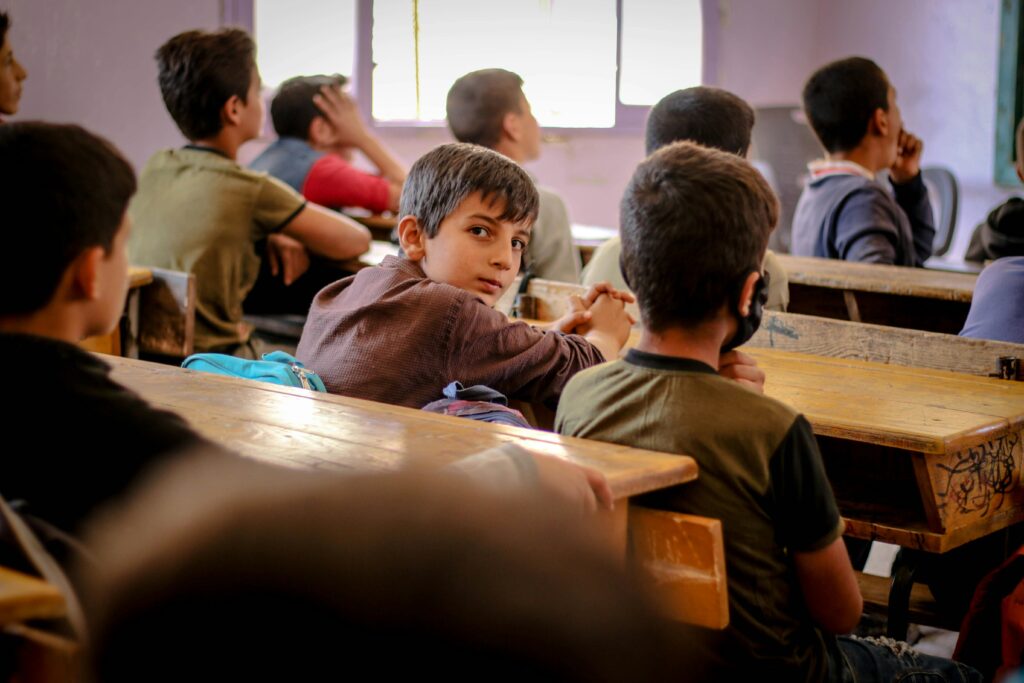
As children grow older, academic demands often become more intense. Older students may eventually face major research projects, dissertations, and career-related academic decisions.
Discussions about educational pressure sometimes extend into broader academic support topics. In higher education environments, students occasionally encounter terms such as bachelor thesis ghostwriter when researching how academic workloads, performance expectations, and institutional pressure affect student well-being. These discussions reflect wider concerns about balancing educational achievement with healthy psychological support systems.
Understanding these pressures early can help parents create healthier attitudes toward learning throughout childhood and adolescence.
How Parents Can Build Lifelong Love for Learning
The ultimate goal of education is not simply achieving grades but developing lifelong curiosity and adaptability.
Focusing on Growth Instead of Perfection
Children who learn to value progress over perfection often become more resilient learners.
Parents can encourage a growth mindset by emphasizing:
- learning from mistakes,
- persistence,
- curiosity,
- effort.
Making Learning Part of Everyday Life
Learning does not need to happen only at desks or during homework sessions.
Family activities such as:
- traveling,
- cooking,
- exploring nature,
- visiting museums,
- discussing books,
- building projects together
all support intellectual development naturally.
Celebrating Curiosity
Children who feel excited about discovering new ideas are more likely to continue learning independently throughout life.
The most effective learning environments combine:
- structure,
- emotional safety,
- creativity,
- curiosity,
- encouragement.
Conclusion
Learning becomes stressful when children associate education primarily with pressure, fear, and constant performance expectations. However, research in psychology, neuroscience, and education consistently shows that children learn best when they feel emotionally supported, curious, and engaged.
Parents play a crucial role in shaping this experience.
By encouraging:
- play-based learning,
- open communication,
- curiosity,
- emotional safety,
- positive reinforcement,
parents can transform education into a more enjoyable and meaningful process.
Making learning fun does not mean removing structure or avoiding challenges. Instead, it means helping children see learning as exploration rather than obligation.
Children who enjoy learning are more likely to develop:
- confidence,
- creativity,
- resilience,
- critical thinking,
- lifelong curiosity.
In an increasingly complex and fast-changing world, these qualities may become even more valuable than perfect grades alone.