
Introduction: Why Creativity Matters in Childhood
Creativity is one of the most important elements of healthy childhood development. Through creative experiences, children learn how to explore ideas, express emotions, solve problems, and interact with the world around them. Yet in many modern educational systems, creativity often receives less attention than standardized testing, academic performance, and structured learning routines.
Educational psychologists increasingly warn that children today may have fewer opportunities for open-ended creative exploration than previous generations. Busy schedules, excessive screen time, academic pressure, and highly structured activities sometimes leave little room for imagination, experimentation, and independent thinking.
At the same time, research from neuroscience, psychology, and education consistently shows that creativity plays a major role in cognitive, emotional, and social development. Creative experiences help children build skills that remain valuable throughout life, including:
- critical thinking,
- adaptability,
- emotional intelligence,
- communication,
- innovation,
- resilience.
Creativity is not limited to painting or music. It includes storytelling, imaginative play, problem-solving, movement, design, experimentation, and curiosity-driven exploration. Children naturally learn through creativity long before formal education begins.
Experts from organizations such as UNESCO and the World Economic Forum also emphasize that future societies will increasingly depend on creativity and innovation. In a world shaped by rapid technological change, children need more than factual knowledge alone. They must learn how to think independently, adapt to uncertainty, and generate original ideas.
This is why providing children with rich creative experiences is no longer optional. It has become an essential part of healthy development and future readiness.
How Creativity Supports Brain Development
Modern neuroscience strongly supports the importance of creativity during childhood.
Creativity Strengthens Neural Connections
Creative activities stimulate multiple regions of the brain simultaneously. When children engage in creative play, storytelling, drawing, music, or imaginative problem-solving, their brains form new neural pathways.
Research suggests that creative experiences improve:
- memory,
- language development,
- attention,
- cognitive flexibility,
- emotional processing.
Unlike passive learning, creative engagement requires children to actively combine ideas, emotions, and sensory experiences.
Educational neuroscientists explain that creativity strengthens the brain’s ability to connect unrelated concepts. This process supports innovation and complex thinking later in life.
Imagination Enhances Cognitive Flexibility
Children who participate in imaginative activities often develop stronger cognitive flexibility. This means they become better at:
- adapting to new situations,
- approaching problems from different angles,
- handling uncertainty,
- generating alternative solutions.
These abilities are increasingly important in modern societies where technological and social changes happen rapidly.
Creative thinking also supports long-term learning because children become active participants rather than passive receivers of information.
Why Creative Experiences Improve Emotional Development
Creativity helps children process emotions in healthy and constructive ways.
Emotional Expression Through Creativity
Children do not always possess the vocabulary to explain complex feelings verbally. Creative activities often become emotional outlets.
Through art, music, storytelling, or pretend play, children can express:
- fears,
- excitement,
- frustration,
- curiosity,
- joy.
Psychologists explain that creative expression supports emotional regulation and self-awareness.
Children who regularly engage in creative activities often feel more comfortable expressing themselves openly.
Creativity Builds Confidence
Creative experiences encourage experimentation rather than perfection.
When children create something original, they develop a sense of ownership and accomplishment. This strengthens:
- self-confidence,
- independence,
- motivation,
- resilience.
Importantly, creativity allows children to explore ideas without constant fear of being “wrong.”
Educational experts emphasize that children need environments where mistakes are viewed as part of learning rather than failure.
Reducing Stress and Anxiety
Creative activities can also reduce stress.
Research shows that drawing, music, movement, and imaginative play may lower anxiety levels and improve emotional well-being in children.
This is especially important in modern educational environments where academic pressure begins at increasingly younger ages.
The Role of Creative Play in Learning
Play remains one of the most powerful forms of childhood learning.
Learning Through Imagination
Pretend play allows children to experiment with roles, scenarios, and ideas.
For example, children pretending to:
- run a store,
- build a city,
- become scientists,
- act as doctors,
- create fictional worlds
develop important cognitive and social skills simultaneously.
These activities encourage:
- language development,
- negotiation,
- collaboration,
- storytelling,
- decision-making.
Educational theorists such as Lev Vygotsky argued that imaginative play is central to intellectual development.
Creativity Improves Problem-Solving Skills
Open-ended creative activities encourage children to solve problems independently.
Unlike highly structured tasks with fixed answers, creative experiences require children to:
- test ideas,
- adapt strategies,
- think critically,
- tolerate uncertainty.
Children learn how to experiment and persist when solutions are not immediately obvious.
This process develops resilience and analytical thinking.
Hands-On Learning Supports Deeper Understanding
Children often learn more effectively through direct experiences rather than passive instruction.
Creative activities such as:
- building,
- crafting,
- designing,
- experimenting,
- performing
help children connect ideas with physical experience.
This type of learning improves retention and engagement.
Why Modern Childhood Often Limits Creativity
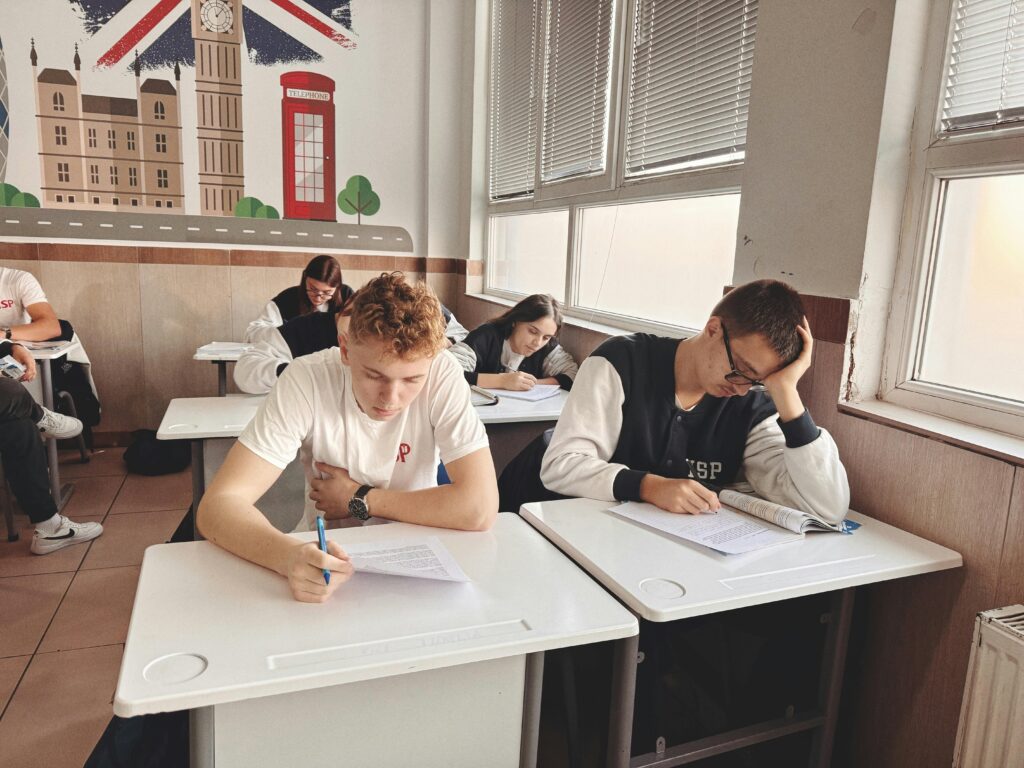
Despite its importance, creativity sometimes receives insufficient attention in modern childhood environments.
Academic Pressure and Standardization
Many educational systems prioritize measurable academic performance over creativity.
Children may spend large amounts of time focused on:
- testing,
- memorization,
- structured assignments,
- performance metrics.
Educational researchers warn that excessive standardization can reduce curiosity and creative risk-taking.
Overstructured Schedules
Modern children often have highly organized routines filled with:
- school,
- tutoring,
- extracurricular activities,
- sports,
- digital entertainment.
While structured activities can be beneficial, children also need unstructured time for imagination and exploration.
Experts explain that boredom itself can sometimes stimulate creativity because children invent their own activities.
Excessive Passive Screen Consumption
Technology can support creativity when used interactively. However, excessive passive screen use may reduce opportunities for:
- imaginative play,
- physical exploration,
- social interaction,
- hands-on creativity.
Creative development requires active participation rather than constant passive consumption.
How Parents and Educators Can Encourage Creativity
Adults play a crucial role in supporting children’s creative development.
Encouraging Curiosity Instead of Perfection
Children become more creative when adults value exploration rather than only correct answers.
Parents and teachers can encourage creativity by asking questions such as:
- “What do you think?”
- “How else could this work?”
- “Can you imagine another solution?”
Open-ended questions stimulate independent thinking.
Providing Open-Ended Materials
Children benefit from materials that allow flexible use, including:
- art supplies,
- building blocks,
- recycled materials,
- musical instruments,
- storytelling tools.
Simple materials often encourage more imagination than highly structured toys with fixed functions.
Supporting Creative Risk-Taking
Creative thinking involves experimentation and uncertainty.
Adults should allow children to:
- try new ideas,
- make mistakes,
- revise projects,
- explore unusual solutions.
This creates psychologically safe learning environments.
Creativity and Future Career Skills
Creativity is increasingly important not only for artists but for nearly every profession.
Innovation in Modern Economies
Modern industries increasingly value employees who can:
- solve problems creatively,
- innovate,
- collaborate,
- adapt quickly,
- think independently.
Automation and artificial intelligence are replacing many repetitive tasks. Human creativity therefore becomes even more valuable.
The World Economic Forum regularly identifies creativity as one of the most important future workforce skills.
Interdisciplinary Thinking
Many future challenges require interdisciplinary thinking.
Fields such as:
- environmental science,
- medicine,
- engineering,
- technology,
- education
all depend on creative problem-solving.
Children who develop creativity early may become more adaptable learners and professionals later in life.
Creativity Beyond the Arts
Creative thinking applies to:
- scientific research,
- entrepreneurship,
- engineering,
- communication,
- leadership.
Even highly academic environments increasingly recognize the importance of original thinking. Discussions about educational pressure and advanced academic demands occasionally reference terms such as ghostwriter master thesis when examining how students navigate research expectations, workload management, and academic support systems. These conversations reflect broader concerns about balancing performance expectations with intellectual development and independent creativity.
Why Community Art and Cultural Experiences Matter
Creative experiences become even more powerful when connected to community and culture.
Art Builds Social Connection
Community-based creative activities help children develop:
- empathy,
- collaboration,
- communication,
- cultural awareness.
Group creativity encourages social interaction and emotional understanding.
Exposure to Diverse Perspectives
Children benefit from experiencing different artistic traditions, stories, and cultural expressions.
This broadens imagination and encourages openness to diversity.
Museums, theaters, community art centers, music programs, and creative workshops all contribute to richer developmental experiences.
Creativity Strengthens Identity
Creative activities help children explore personal identity and self-expression.
This process supports emotional confidence and self-understanding throughout development.
Conclusion
Children need more creative experiences because creativity supports nearly every aspect of healthy development. Through imaginative play, artistic exploration, storytelling, experimentation, and problem-solving, children build cognitive, emotional, and social skills that remain valuable throughout life.
Creative experiences strengthen:
- brain development,
- emotional resilience,
- communication,
- adaptability,
- confidence,
- innovation.
At the same time, modern childhood environments sometimes limit creativity through excessive structure, academic pressure, and passive technology use.
Parents, educators, and communities therefore play an important role in protecting and encouraging children’s natural curiosity and imagination.
Creativity should not be viewed as an optional extra activity reserved only for the arts. It is a fundamental part of how children learn, communicate, and understand the world around them.
In an increasingly complex and rapidly changing future, children who develop creativity early may be better prepared not only for professional success, but also for emotional well-being, human connection, and lifelong learning.